
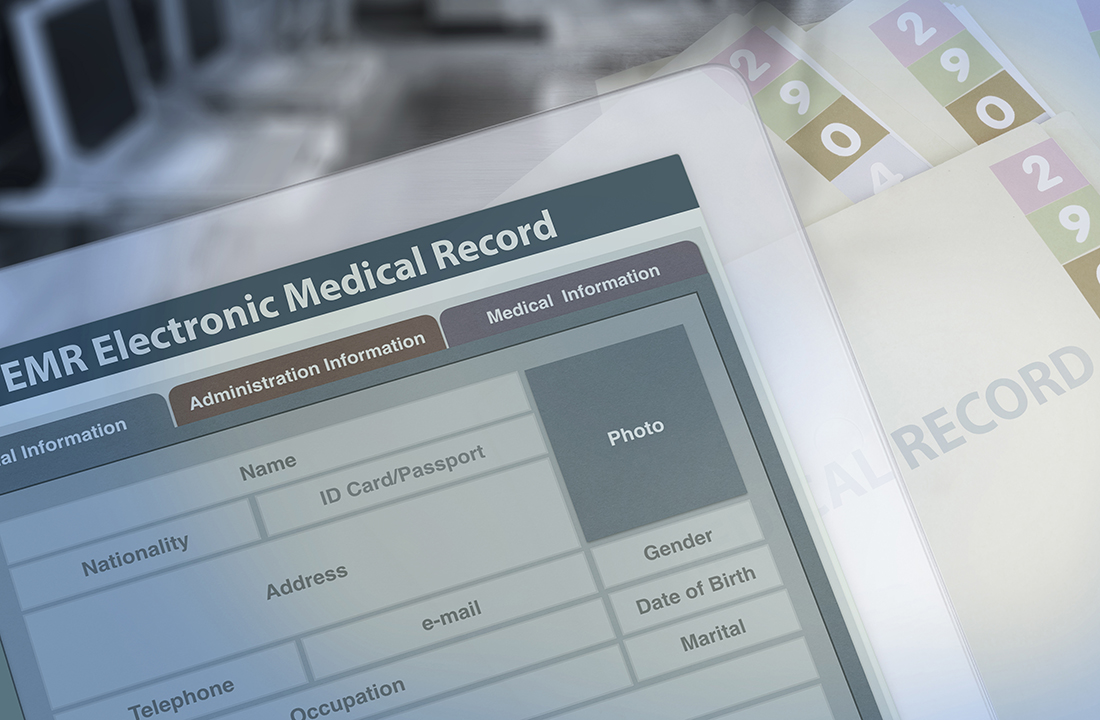
For the right provider organization, absolutely. A well-designed EMR integration can offer an excellent experience. The physician orders a test in a familiar workflow, and results can return to the system they already use.
So why would a laboratory need a provider portal? Because EMR integration and provider portals solve different parts of the access problem. In most cases, they should be viewed as complementary channels rather than competing strategies.
EMR integration works especially well for strategic accounts
Direct integration makes the most sense when the relationship and order volume justify the effort required to establish and maintain the connection. Large hospitals, health systems, and high-volume provider organizations may be strong candidates.
But laboratories often serve a much broader network:
- Independent specialists
- Small practices
- New accounts
- Lower-volume providers
- Emerging health systems
- Providers using different EMRs
- Organizations without immediate integration resources
Building and maintaining a dedicated interface for every provider can become difficult.
One laboratory can interact with hundreds of provider environments
There is no single universal physician EMR environment. A growing specialty laboratory may need to connect with organizations running different systems, versions, configurations, interface engines, security requirements, and workflows.
Each connection can involve technical discovery, testing, coordination, monitoring, and ongoing support. A portal gives the laboratory a common digital access layer while integrations are prioritized for the provider relationships where they make the most sense.
Think “portal first, integrations where valuable”
A practical model is to use the portal for broad digital access across the provider network, while HL7, FHIR, API, or other integrations provide deeper automation for selected high-value or high-volume relationships.
That allows the laboratory to onboard new organizations without waiting for every EMR interface to be completed. Over time, selected providers can move into more integrated workflows.
The portal also provides capabilities beyond the EMR interface
Even when ordering and results are integrated into an EMR, providers or laboratory teams may still need access to broader functions:
- Order history
- Specimen or case status
- Missing-information alerts
- Administrative functions
- Additional reports
- Account management
- Support workflows
- Provider communications
A portal can become the digital front door for these broader interactions.
The two approaches reinforce each other
The strongest architecture is often not Portal OR integration. It is Portal + selective integration.
The portal gives the laboratory scalability and reach. The integration provides deeper automation for specific customers. Together, they allow the laboratory to meet different provider organizations where they are.
The bottom line
HL7, FHIR, APIs, and other integrations remain extremely valuable. But they do not eliminate the need for a scalable provider-access strategy.
A laboratory should not have to choose between supporting the long tail of providers and providing deep integration for strategic accounts.
K1 LabAccess™ is designed to support a portal-led provider experience while creating a foundation for EMR, LIS/LIMS, HL7, FHIR, and API connectivity as laboratory relationships evolve.